
Water has always been more than a research topic for me. It shapes lives, communities, and opportunities. Growing up, I witnessed how access to water could determine whether crops survived a dry season, whether families felt secure about the future, and whether entire communities could thrive. Those experiences inspired me to pursue water resources engineering and eventually led me to my current PhD research at McGill University.
Today, the world faces unprecedented water challenges. Climate change is altering rainfall patterns, increasing temperatures, and intensifying both droughts and floods. At the same time, the global population continues to grow, placing greater pressure on our water and food systems. Meeting these challenges will require not only new technologies but also a better understanding of how we manage existing water infrastructure.
Among the most important pieces of that infrastructure are reservoirs. Reservoirs play a vital role in modern society. They store water during wet periods and release it when water is needed most. They support agriculture, provide drinking water, generate hydropower, and help communities withstand droughts. Yet despite their importance, we still know surprisingly little about how reservoirs contribute to food production, the extent of the land they irrigate, or how climate change may affect their ability to meet future demands. This knowledge gap is at the heart of my doctoral research.
My work focuses on irrigation reservoirs at a global scale. One of the biggest challenges is that although we often know where reservoirs are located and how much water they can store, we do not always know which agricultural lands depend on them. These irrigated areas, known as command areas, represent the direct connection between stored water and food production.
My research combines satellite observations, geospatial analysis, and global agricultural datasets to identify the command areas of thousands of reservoirs worldwide. By linking reservoirs to the crops they support, we can better understand how water stored behind dams contributes to food security.
Beyond mapping these irrigated areas, I am also investigating how reservoirs operate throughout the year. Reservoir water levels rise and fall in response to rainfall, river inflows, evaporation, and irrigation withdrawals. By analyzing these storage changes from satellite imagery, I aim to estimate reservoir release patterns and assess their resilience under future climate conditions.
Ultimately, my goal is to answer a simple but important question: How can we manage reservoirs more effectively to secure future water and food supplies? The answer matters because climate change will not affect all regions equally. Some areas may experience reduced water availability, while others may face more extreme floods. Understanding which reservoirs and agricultural systems are most vulnerable can help decision-makers prioritize strategies that strengthen resilience and safeguard food production.
What excites me most about this research is the opportunity to connect global-scale science with real-world impacts. Every reservoir represents communities, farmers, ecosystems, and livelihoods that depend on reliable water supplies. By improving our understanding of reservoir systems, we can support more informed and sustainable water management decisions.
As water professionals, researchers, and practitioners, we all share a responsibility to help build a future where water remains available for both people and nature. I believe that combining advances in remote sensing, data science, and hydrology offers tremendous opportunities to support that goal.
Water has shaped my academic journey from the very beginning, and it continues to motivate my work every day. I hope that through my research I can contribute, even in a small way, to a future where water and food security are not privileges, but realities for communities around the world.
If this topic interests you, feel free to contact me: Elham Soleimanian.
Lead Editor: Harveen Kaur Tatla
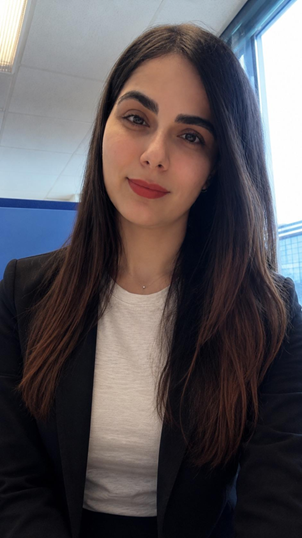
About Author:
Elham Soleimanian
Elham Soleimanian, is a Ph.D. candidate in Geography at McGill University and a water resources engineer specializing in GIS, remote sensing, and hydrological modeling. Her research focuses on the role of large irrigation reservoirs in water and food security under climate change. She currently works on a global assessment of more than 21,000 large irrigation reservoirs around the world, investigating how they can help sustain agricultural production and improve resilience to future water shortages. She is particularly passionate about bridging the gap between scientific research and real-world decision-making. Her goal is to produce research that is useful and accessible to policymakers, water managers, and decision-makers so that we can work together to address growing water and food scarcity challenges and build a more sustainable and resilient future.
 IWA YWP Canada