
One day, I visited one of Cairo’s largest dumpsites. The sight of the leachate pond seeping beneath the waste mountain was terrifying! The water was dark in color, almost black, really smelly, and attracted a lot of flies and mosquitoes. What struck me most was not just what I could see, but what was silently moving beneath the surface.
At the time, the municipality was constructing a new engineered landfill, right next to the existing dumpsite. This only made me wonder: what about the damage already done? Because unlike many environmental impacts, groundwater contamination does not announce itself; it spreads quietly, often undetected for years.
This is the issue with leachate: the damage is hard to reverse, and it is often not even visible. This reminds us that solid waste disposal is also a water-related problem. Engineered landfills are also a form of water infrastructure. In fact, they are among the most impactful, considering that leachate can contaminate groundwater for decades after a site closes. In many ways, landfills are long-term hydrological actors continuing to interact with water systems well beyond their operational life.
Within water sector planning, we typically classify critical assets as drinking water treatment plants, desalination facilities, trunk mains, reservoirs, and wastewater treatment plants. Landfills rarely enter that conversation. Yet, from a contaminant fate and transport perspective, municipal solid waste disposal sites are often among the most consequential “water infrastructure” in a catchment, especially where uncontrolled dumpsites remain the dominant practice.
Uncontrolled dumps function essentially as unlined, unmonitored bioreactors in direct hydraulic connection with underlying aquifers and nearby surface water bodies. Mixed municipal waste, often co‑disposed with medical and industrial waste, undergoes aerobic and anaerobic decomposition, generating leachate with high COD/BOD, elevated ammonia and nitrogen species, chlorides, sulfates, heavy metals, and a range of emerging contaminants and micro‑pollutants. In the absence of Basal liners and leachate collection systems, rainfall and surface runoff infiltrates freely through the waste body, mobilizing this contaminant load. In effect, every rainfall event becomes a driver of contamination, accelerating the movement of pollutants into surrounding water systems.
From a hydrogeological standpoint, dumpsites located over highly permeable formations or shallow water tables pose a persistent, long-term risk. Leachate plumes can migrate along preferential pathways, potentially impacting abstraction wells and springs used for potable supply or irrigation. The resulting deterioration in raw water quality translates into higher treatment complexity and cost: increased oxidant demand, more frequent media replacement, additional barrier steps for pathogens, and, in some cases, advanced treatment for specific contaminants. In water‑stressed regions, where groundwater forms a strategic reserve, this degradation is not merely an operational issue but a threat to long‑term resource security. This is not a short-term failure; it is a legacy problem, one that future generations are left to manage.
Engineered sanitary landfills are designed to interrupt this pathway. At their core is a containment and control system aimed at minimizing leachate generation and preventing uncontrolled releases to the environment. Basal liner systems typically combine compacted low‑permeability clay with a geomembrane, achieving orders-of-magnitude reductions in hydraulic conductivity compared to natural subsoils. Overlying drainage layers and perforated pipe networks collect leachate and convey it to dedicated storage and treatment facilities. This transforms leachate from an uncontrolled subsurface flux into a managed wastewater stream with defined quality and flow, which can be integrated into existing wastewater treatment infrastructure or treated on site. This shift, from uncontrolled release to engineered containment, is what transforms waste disposal from an environmental liability into a managed system.
Surface water and infiltration control form the second key pillar. Phased cell development, interim capping, and perimeter drainage reduce the effective infiltration area and limit leachate generation rates. Proper stormwater management separates clean runoff from contaminated areas, reducing hydraulic loading on the leachate system and preventing cross‑contamination. Final cover systems, incorporating low‑permeability layers and vegetation, further reduce infiltration over the long term and improve slope stability, thereby lowering the risk of erosional breaches that could expose waste to direct runoff.
When a landfill is constructed properly, it shields the groundwater from a cocktail of dissolved contaminants, heavy metals, inorganic compounds, and pathogenic microorganisms.
In the Middle East, engineered landfills remain rare due to a heavy reliance on low-cost, traditional open dumpsites, yet this is precisely the region where the stakes are highest. Water scarcity is already a defining challenge across the MENA region, and every unlined dumpsite is a slow, invisible threat to the groundwater resources communities depend on. The water sector and the waste sector cannot afford to operate in silos any longer. Integrated planning between water and waste sectors is no longer optional; it is essential for sustainable urban development. Transitioning to engineered landfills is not just a waste management decision, it is a water protection imperative.
If we fail to manage what we bury, we risk contaminating what we depend on most. That leachate pond in Cairo stays with me as a reminder that what we do with our waste is inseparable from the future of our water.
Lead Editor: Sukleshwari S
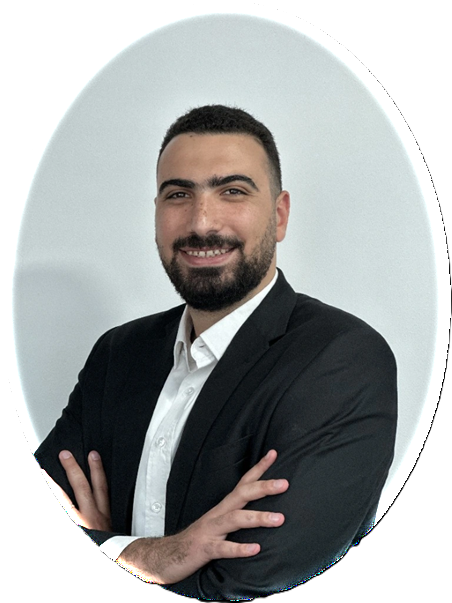
About Author:
Seif Hatem
Originally from Cairo, Egypt but working in the MENA region; Seif is a seasoned professional with a background in water and environmental engineering, boasting seven years of hands-on experience in the field. His expertise lies in spearheading solid waste management initiatives within design and consultancy services, focusing on municipal and medical waste collection, storage, transfer, recycling activities, and disposal technologies. Seif has played pivotal roles in environmental monitoring projects, construction supervision projects, ensuring adherence to local and international best practices, guidelines, laws, and agreements. With a keen understanding of environmental dynamics, he has actively contributed to various projects across diverse countries in the MENA region, demonstrating his versatility and commitment to sustainable practices in waste management and environmental conservation.
 IWA YWP Canada